What is Identity?
These five media examples contain passages and analyses about what it means to have an identity
So what does it mean to have an Identity?
Identity relates to our basic values that dictate the choices we make (e.g., relationships, career). These choices reflect who we are and what we value. However, few people choose their identities. Instead, they simply internalize the values of their parents or the dominant cultures (e.g., the pursuit of materialism, power, and appearance). Sadly, these values may not be aligned with one’s authentic self and create an unfulfilling life. In contrast, fulfilled people are able to live a life true to their values and pursue meaningful goals. Lack of a coherent sense of identity will lead to uncertainty about what one wants to do in life. A major task of self-development during early adolescence is the differentiation of multiple selves as a function of social context (e.g., self with father, mother, close friends) with an awareness of the potential contradictions.
https://www.psychologytoday.com/ca/blog/science-choice/201412/basics-identity
"Can Tv Not Make Us Hate Ourselves?" - an article on Buzzfeed by: Scaachi Koul
www.buzzfeed.com/scaachikoul/can-tv-make-us-not-hate-ourselves

Excerpt: "The whole world felt white when I was younger. There wasn’t a version of me anywhere—few on television, fewer in movies, and none in my day-to-day life who weren’t related to me...The absence of people of colour in movies and television has a dehumanizing effect for the people it neglects to portray: You can’t be what you can’t see... When I was a young, brown girl living in a world that only reflected white people back to me, I found brown boys appalling for precisely all the reasons my television told me to. And the small pieces of the world that did resemble the wide bridge in my nose or the dynamics of my family were often so unrecognizable that I grew to hate them instead."(Koul)
Analyses: Click to listen to a speech regarding Koul's theme of Identity: Identity Speech (by: Avery)
“My Identity Is a Superpower -- Not an Obstacle.” - a Ted Talk by: America Ferrera
https://www.ted.com/talks/america_ferrera_my_identity_is_a_superpower_not_an_obstacle?language=en
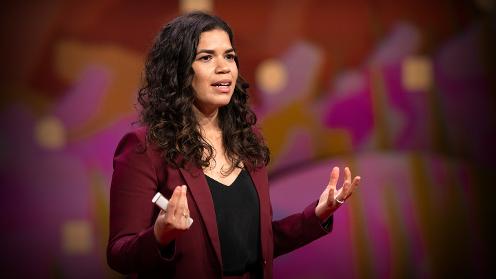
Excerpt: “That is not a point of pride, that is a point of deep frustration. Not because awards prove our worth, but because who we see thriving in the world teaches us how to see ourselves, how to think about our own value, how to dream about our futures.... I am just one of millions of people who have been told that in order to fulfill my dreams, in order to contribute my talents to the world, I have to resist the truth of who I am, I for one am ready to stop resisting and to start existing as my full and authentic self.... The truth is, I am what the world looks like. In order for our systems to reflect that, they don't have to create a new reality. They just have to stop resisting the one we already live in.” (Ferrera)
Analyses: Click to view a small essay on Ferrera's theme of identity: Ferrera: Identity
“What Does My Headscarf Mean to You?" - a Ted Talk by: Yassmin Abdel-Magied
www.youtube.com/watch?v=18zvlz5CxPE
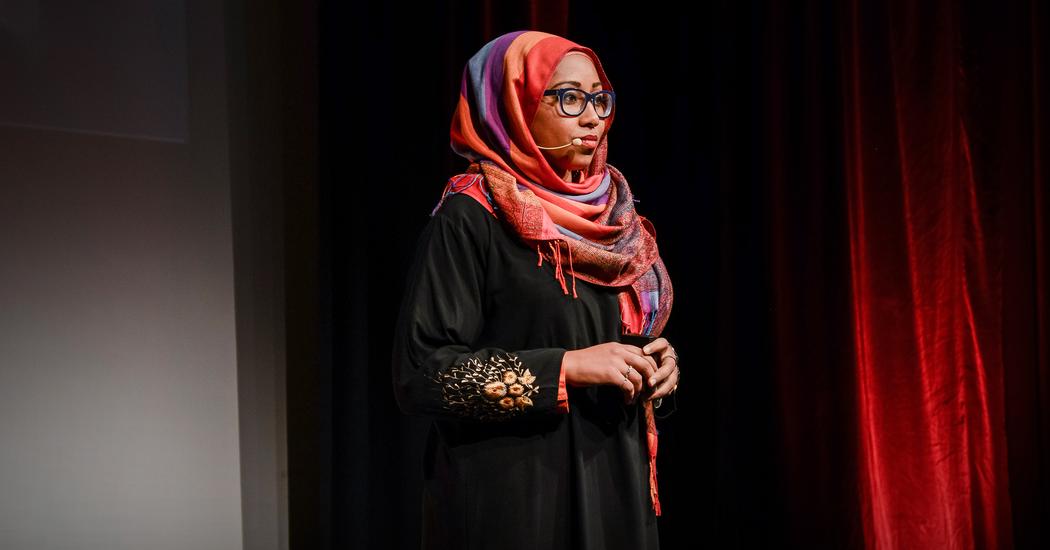
Excerpt: "Someone who looks like me, walks past you in the street.... Do you look me up and down wondering how hot I must get or if my husband has forced me to wear this outfit? What if I wore my scarf like this? (covers mouth) I can walk down the street with the exact same outfit and what the world expects of me and the way I'm treated depends on the arrangement of this piece of cloth....This is about looking beyond your bias. What if I walked passed you and later on you found out that actually, I was a race car engineer, I designed my own race car, and I ran my universities race team? Because it's true. What if I told you that I was actually trained as a boxer for 5 years? Because that was true too. Would it surprise you? Why? Ladies and gentlemen, ultimately, that surprise and the behaviours associated with it are the product of something called unconscious bias or unpleasant prejudice and that results in the ridiculous detrimental lack of diversity in our workforce. Particularly in areas of influence." (Abdel-Magied)
Analyses: Yassmin Abdel-Magied's Ted Talk called “What Does My Headscarf Mean to You?” speaks out about cultural biases, male privileged societies and the non-acceptance of one’s identity toward these societies. The biggest struggle Abdel-Magied speaks of is growing up a Muslim woman. She speaks out about bias in societies and how other people create their own expectations of someone based on how their race or gender has been viewed in society. How does this debate the theme of identity? These biases ‘can be about race, it can be about gender; it can also be about class, education, disability. The fact is we all have biases against what’s different. What’s different to our social norms.’ Someone who racially or mentally identifies different, how does this influence opportunity? Why should it influence opportunity?
There is a ‘lack of opportunity due to unconscious bias’ and this creates a dynamic of an "ideal" person. So why is identity affected? Abdel-Magied discussed how people want to interact with those who are similar to them, and how this creates an identity bias within a community; “Everyone wants to mentor someone who kind of is familiar, who looks like us, we have shared experiences…” Within the job force, this enforces a lack of diversity and opportunity for many people who may be better qualifications then those who are “similar”. Thus proving people struggle with identity and what others deem as “normal” or “familiar”. Throughout all these text examples, they share the same messages. They share the truth towards a society's demand to accept the ideal citizens. They show how easily someone's identity is challenged or embraced, all because of how they look when compared to a superior race or group of people.
"The Role Of School In Adolescents’ Identity Development. A Literature Review" -an article by: Monique Verhoeven
https://link.springer.com/article/10.1007/s10648-018-9457-3#citeas
Excerpt: "First, studies on how schools and teachers unintentionally impact adolescents’ identity... messages may unintentionally be communicated to adolescents concerning who they should or can be through differentiation and selection, teaching strategies, teacher expectations, and peer norms. Second, studies on how schools and teachers can intentionally support adolescents’ identity development showed that different types of explorative learning experiences can be organized to support adolescents’ identity development...exploring new identity positions...further specifying already existing self-understandings...reflecting on self-understandings...The third group...a supportive classroom climate in order to foster adolescents’ identity development." (Verhoeven)
This article follows the theme of adolescence and identity with schooling. The author of this article explains the different ways teachers and education programs will affect children and the dimensions in which a child is affected and the outcome for these students. This article follows the theme of identity because it explores one of the main roots associated with a child and the environment they grow up in, and those surrounding it. School is a huge part of a child's life, it is where their identity begins to develop. The importance of shaping adolescence identities is to ensure they are fit for adulthood and are ‘resilient, reflective, and autonomous in the pursuit of important life decisions, while promoting a sense of competence’ yet as society adapts and changes, and this affects how these children develop: “...developing a clear and stable identity has become increasingly challenging due to processes of individualization, emancipation, and migration.” This proves how easily it is to become or identify as someone different. I think this because influence plays a huge role on how someone behaves or matures.
“What Makes a Serial Killer?” - an essay by: Oliver J Conroy
www.theguardian.com/us-news/2018/aug/10/what-makes-a-serial-killer
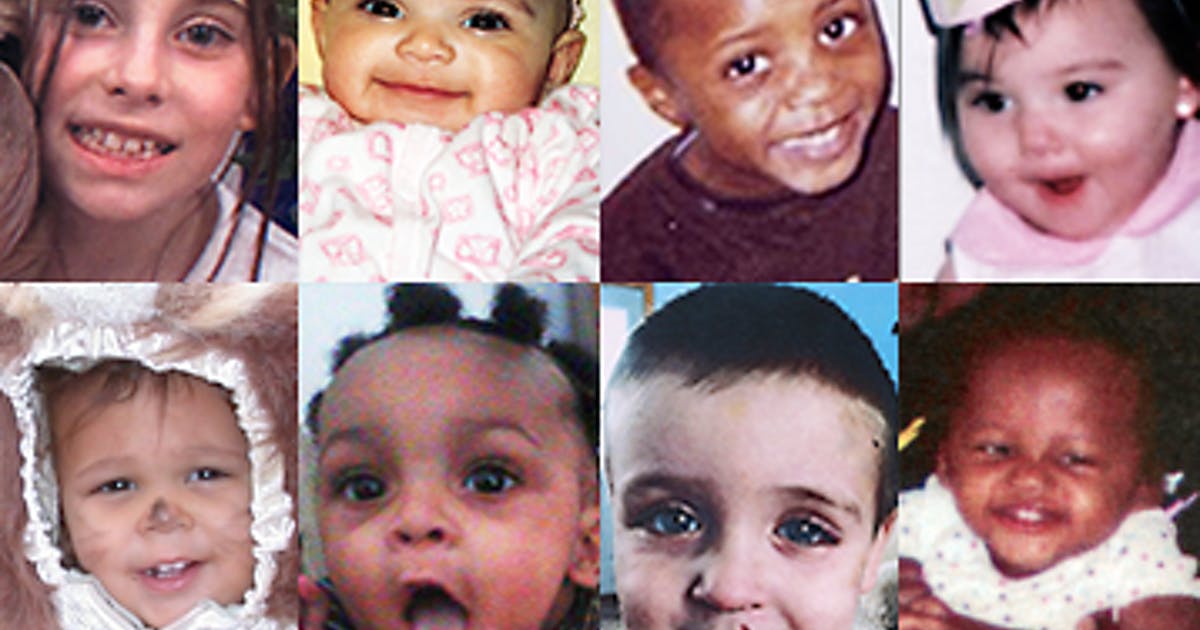
Excerpt: “Many serial killers are survivors of early childhood trauma of some kind – physical or sexual abuse, family dysfunction, emotionally distant or absent parents. Trauma is the single recurring theme in the biographies of most killers.”
The theme of identity and childhood development also falls into this category, murder. How does someone become a notorious serial killer? What drives them mad? Where does it all begin?No one is born a murder or accidental killer, they are traumatized or abused that way. Many children reflect the moods that reside within their homes or schools. No one is born evil, it is society and experience that shape them; it is what they see or how they are treated that ruins who they are. The relation towards identity is, again, how someone is and who they are. Accidental and essential properties are put in place towards why someone acts this way. Was it childhood trauma? Was it bullying? Or did they just snap one day? As ‘they grow up not knowing how to “feel”, and learn instead how to manifest what they think are emotions or the correct appearances of emotion. They know the “mask” they should wear.’